
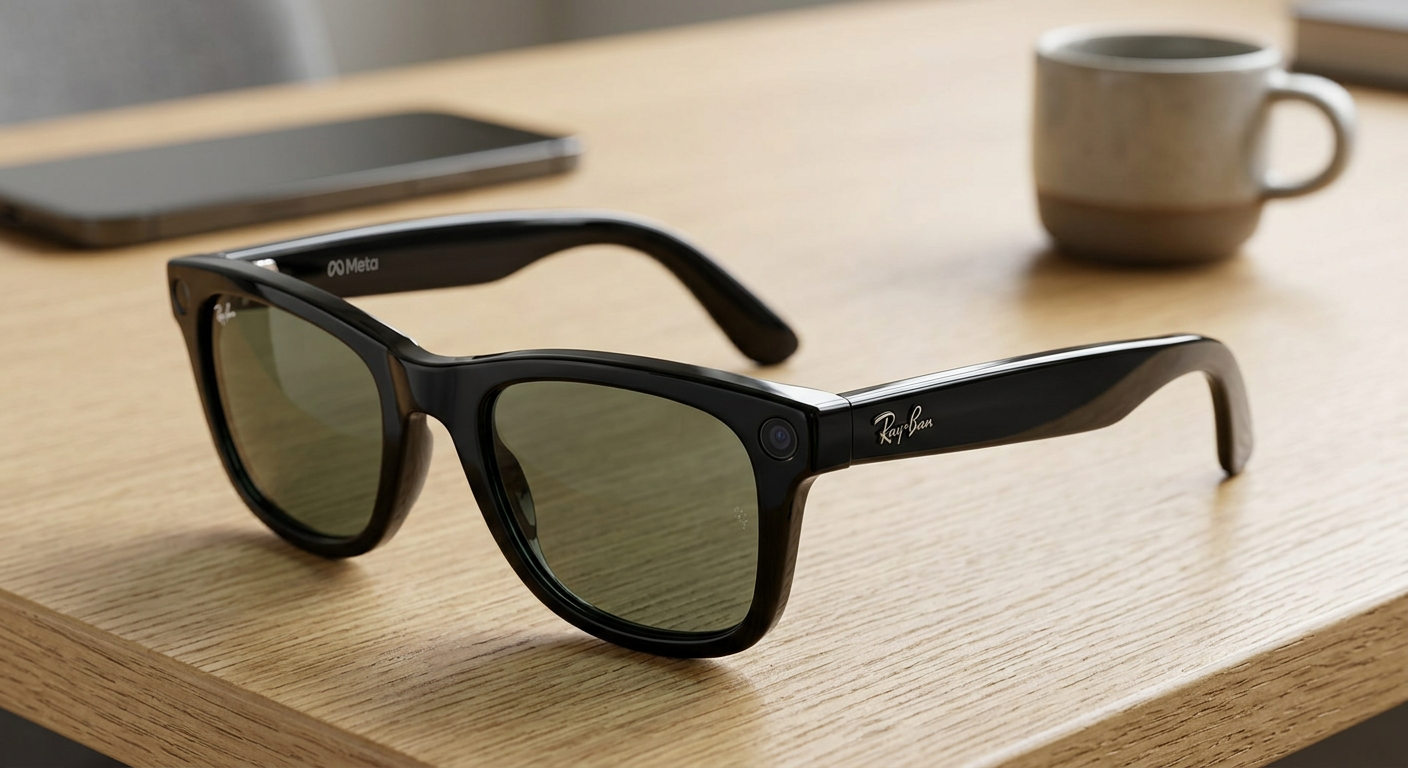
Rayban Meta Glasses are here!
What are Meta Glasses
Rayban Meta glasses are a line of stylish, AI powered smart eyewear created in partnership with Rayban and Meta. They blend classic frames with wearable technology, allowing the wearer to capture photos and videos, listen to music, interact with artificial intelligence, and take hands-free calls. Many users wear these glasses primarily outside for activities such as hiking, walking the dog, sightseeing and the camera and AI feature make being outside more engaging!
How They Work
The glasses pair via Bluetooth and Wifi to the Meta View app on your smartphone. The app is used to sync your captured photos and videos, manage your settings and access the Meta AI assistant.
Key Features
Built-in Camera: Features an ultra wide 12 MP camera for taking high-quality photos and up to 3K Ultra High HD video from your point of view. A privacy LED lets others know that you are recording. This standout feature is hands-free, point-of-view content capture and built-in AI.
Open-Ear Audio: Discrete built-in speakers in the temples let you listen to music or take phone calls while keeping your ears open to hear your surroundings. Unlike earbuds that seal the ear canal, Meta glasses use directional speakers, near your ears, allowing you to hear your audio and also to hear everything around you – car horns, bicycles, people calling your name. From a safety perspective, this is huge! Situational awareness prevents accidents. The fact that they are hands free and your eyes are up also an excellent safety feature. This is legitimately safer than holding a phone or even mounting one on a dashboard where you have to look down or away from the road.
Meta AI Integration: By simply saying, “Hey, Meta” you can control the glasses, get information, set reminders, and use real-time visual assistance or sign translation.
Live-streaming: You can natively livestream directly to Facebook and Instagram while interacting with live comments.
Design and Styles: The Meta glasses retain the look and feel of traditional Ray-Ban styles (such as Wayfarer and Headliner frames) and are available in over 150 style, color, and lens combinations, including sun, clear, and prescription lenses.
Battery and Charging: The glasses provide up to 8 hours of use per charge, and come with a redesigned portable charging case that provides multiple additional charges on the go.
Cost: Cost is determined by the generation and lens options, such as sun lenses or prescription lenses.
Effects of Wearing Smart Glasses
Smart glasses can cause temporary discomfort including digital eye strain, dry eyes, mild headaches and neck pain. For augmented reality (AR) models, the vengeance-accommodation conflict – where the eye struggles to focus on virtual content while looking at a fixed screen – can lead to motion sickness, dizziness, and disorientation.
Eye Strain and Visual Discomfort
Digital Eye Strain: Staring at close-up displays in your field of vision causes symptoms like blurry vision, eye fatigue, and difficulty refocusing after taking the glasses off.
Dry Eyes: Users blink 3-5 times less frequently when looking at digital displays. This reduced blink rate leads to dryness, burning, and irritation.
Vengeance-Accommodation Conflict: Your brain expects to converge your eyes at the distance of an overlaid digital object, but your eyes must accommodate to the physical display a few inches away. This mismatch often causes dizziness and visual fatigue.
Physical and Neurological Side Effects
Headaches: Extended sessions, especially with poor optical alignment or bright displays, can trigger tension headaches.
Motion Sickness: The sensation of seeing digital elements floating or moving in real space can lead to nausea, similar to motion sickness in VR headsets.
Neck and Shoulder Pain: Smart glasses are often heavier than normal frames. Looking down at projected information or holding your head in an unnatural posture can strain neck and shoulder muscles.
Neurological Events: Though rare, flashing lights or immersive displays can trigger seizures, loss of awareness, or involuntary movements in susceptible individuals.
Screen Time: Smart glasses might not actually reduce screen time = they might just relocate it. Instead of staring at your phone while walking, you’re constantly interacting with AI, taking photos, recording videos, checking notifications via audio. The cognitive load is similar. We’ve just shifted the interface from a screen in your hand to speakers in your face.
Safety and Social Risks
Distraction and Awareness: Using smart glasses while walking, cycling, or driving can reduce your field of vision, impair your depth perception, and distract you from real-world hazards.
Privacy and Social Conflicts: Models equipped with built-in cameras and AI-assisted facial recognition allow users to constantly recorded of identify people in public spaces. This raises severe privacy concerns, often leading to awkward interactions or legal restrictions.
Best Practices for Healthy Use of Meta Glasses
Follow the 20-20-20 rule: Look at something at least 20 feet away for 20 seconds, every 20 minutes.
Take regular breaks: Use the glasses in short bursts rather than for hours on end
Adjust display settings: Ensure screen brightness is properly adjusted to your environment to reduce glare and blue light exposure.
Consult a professional: It is highly advisable to see an optometrist, when purchasing Meta glasses.
Why an Optometrist is Important
Complex prescriptions: Meta smart glasses have officially supported prescription ranges (usually between +2.00 and -3.00 w/o prism). An optometrist can advise if your vision requires high-index or complex lenses, such as progressives that are not well suited for these frames.
Lenses: It is extremely important if one opts for clear lenses for their Rx, instead of sun lenses, because they want to wear them indoors, to request UV coating (not just a tint) for UV protection while wearing outdoors. The Meta frames can also accommodate Transitions lenses that darken in sunlight and are clear indoors, giving you versatility of one pair that works in multiple lighting conditions. (Transitions are not really ideal for driving because they can be slow to change in a car since windshields block UV that triggers the change).
Progressive lenses are technically available but the Wayfarer style is relatively small and shallow, which does not allow for a lot of vertical space for the different viewing zones in progressives, making for a very limited reading area. It may be recommended to do computer glasses of reading glasses for close work in addition to using the smart glasses primarily for distance and outdoor activities.
Exact Measurements: Online lens vendors and optical labs require precise measurements (like PD) for clear vision. An optometrist or optician can provide the most precise measurement in person to ensure that eye strain or headaches are avoided.
Frame Fitting: Smart glasses house electronics in the temples, making them heavier than regular frames. Professional opticians are trained to adjust the fit securely for the utmost comfort for the wearer. The electronics do limit how much a frame can be manipulated so the initial fit need to be right, or you will be stuck with uncomfortable glasses.
Recommended Next Steps
Schedule an eye exam: To ensure that your new Meta glasses have your current Rx and that they fit properly.
Authorized Providers: We, at Pearle Vision, are authorized providers. Our team all has experienced wearing the Meta glasses so therefore are highly qualified to recommend the best lenses, and to custom fit every pair. If you have already purchased the Meta frame, we can work with you to ensure that your experience with them is optimal.
Vision Insurance
This is an area where our team who are all well versed in insurance benefits can provide assistance. Vision insurance often covers the Rx lenses for RayBan Meta glasses, so we can help with that. Coverage for the smart frame itself is less guaranteed and varies by provider. If the frames are not fully covered, we can typically figure out how to apply your frame allowance or use HSA/FSA funds for the purchase if they include prescription lenses.
EyeMed: Recognizes wearable technology and will generally allow funded benefits toto Meta AI smart glasses. We are in network for EyeMed.
VSP: Often treats Meta glasses as an out-of-network purchase, meaning you can submit the receipt thru the VSP portal for out-of-network reimbursement.
Other Plans: Many plans can cover the cost or a portion of the lenses and accessories, but you may need to pay a portion out-of-pocket for the smart features.
Who Should and Shouldn’t Consider Meta Glasses
Ideal For: For active lifestyles – you get sun protection, hands-free photography and navigation assistance in one, for content creators, where the first person perspective camera captures unique angles, and tech enthusiasts because they love being on the cutting edge of wearable tech!
Not Ideal For: Primary work glasses, children / teens, high prescriptions
In summary, there is no wrong choice- if you are making an informed choice that protects your eye health. Rayban Meta smart glasses represent where eyewear is heading: toward integration of vision correction, eye protection, and wearable technology. They are not perfect yet, they are not for everyone, and they are not inexpensive, but they are a legitimate step forward! Smart glasses are here to stay.