
Why do Kids Need a Yearly Comprehensive Eye Exam?
Eye exams (sometimes referred to as ‘eye tests or ‘vision tests’) are important for children. These are even crucial if your child already wears prescription glasses or contacts. Why is it important for kids to have a comprehensive eye exam? Comprehensive eye exams allow optometrists to monitor and maintain the eye health of these little patients. How often should you get your kids to see a specialist? Every year, or whenever the child complains of an issue with their vision.
If it has been a while since your child’s last eye exam, Schedule an Eye Exam today
What Is A Comprehensive Eye Exam?
Part of your child’s regular health care is periodic eye exams with an experienced and qualified eye doctor. As with so many other illnesses, many things can go unnoticed and are not obvious and present no symptoms with your child’s eyes.
A experienced optometrist will determine what tests need to be performed during your child’s annual exam. In addition, their eye health history tells the eye doctor a lot and can play a huge role when it is time to develop the right course of action. Some of the eye tests your optometrist might want to perform to check the child’s learning and reading abilities include:
- Visual Acuity – This tests how clearly your child can see. Their vision is checked for both near and far viewing.
- Eye Focusing – This tests how quickly the child can maintain clear focus as the distance from different objects changes.
- Eye Tracking – This tests the ability to keep eyes on an object and follow along when it is moving.
- Keratometry – This is a test of the curvature of the cornea and helps with fitting contact lenses.
- Refraction – This test helps the doctor determine the amount of correction your child’s vision needs.
Other tests that can be performed require the eye to be dilated. An optometrist will decide when this is a necessary option. The pressure inside your child’s eye may be tested to check for glaucoma. Any family history of diabetes, cataracts, or glaucoma may increase the child’s risk of developing these conditions.
How Often Should Kids See An Eye Doctor?
Your child’s vision must be assessed annually. It allows the optometrist to identify potential vision issues.
Existing health conditions, any risk factors, lifestyle, diet, etc., also determine how often your kids must see an optometrist. Generally, our Optometric Team uses the following age-related guidelines:
- 4-6 Years: Before entering first grade, your child should have a comprehensive eye exam.
- 6-18 Years: During their schooling, it is recommended that they have regular annual or bi-annual eye checkups, depending on any existing eye conditions or prescriptions for glasses or contacts.
An eye examination becomes even more necessary if your child experiences the following:
- Dry or itchy eyes
- Floaters or flashes of light
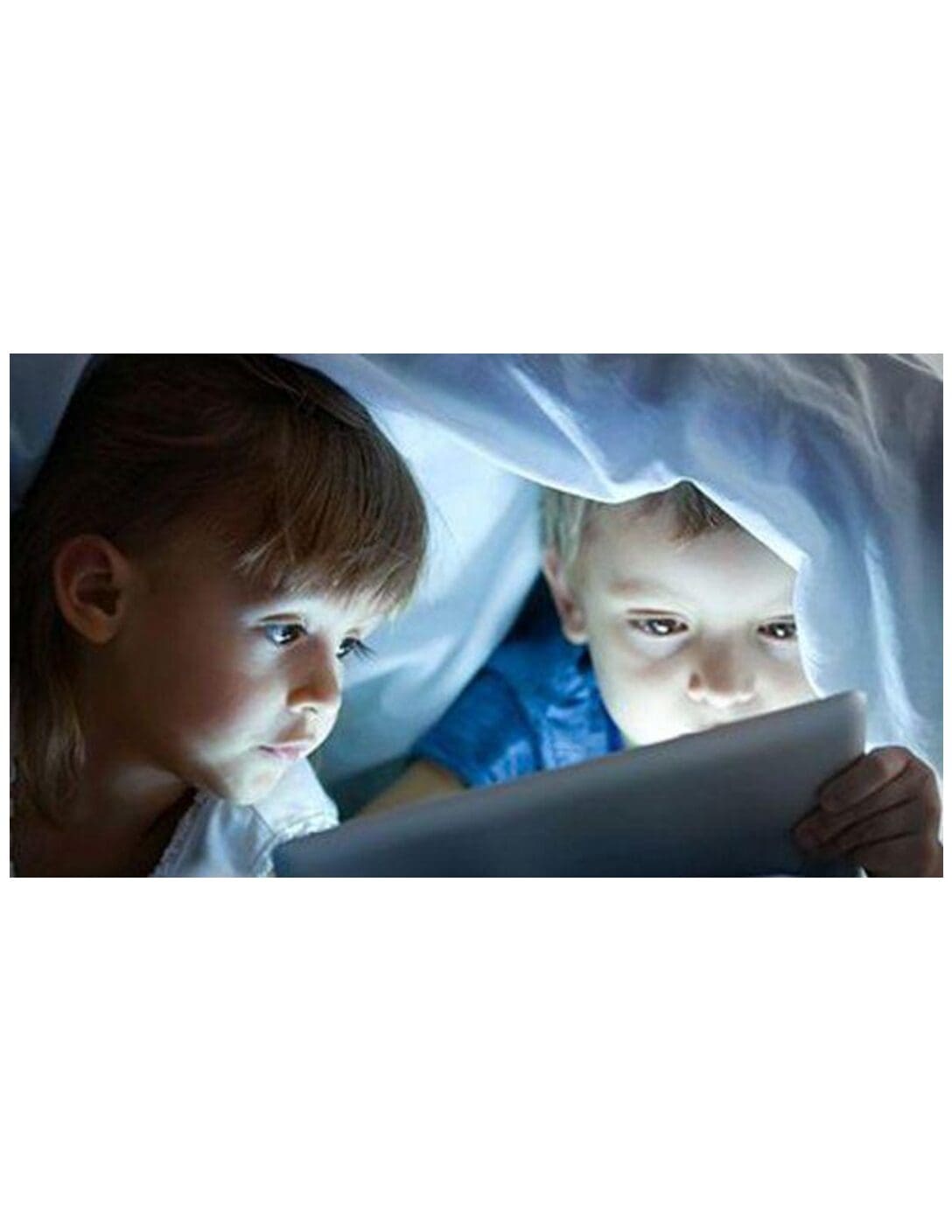
- Eye strain and blurry vision
- Trouble following a target
- Squinting eyes when reading
- A medical condition that impacts the eyes
If your child requires vision correction and needs glasses or lenses, your doctor would recommend more frequent eye test examinations to keep up with your child’s eye health. If it’s long overdue, schedule a comprehensive eye check-up right away.
Back-to-School Eye Exams
Did you know that the American Optometric Association (AOA) reports that 75% of school vision screenings miss vision problems, and 61% of children with vision problems never see an eye doctor? This is not good!
80% of a child’s learning is all visual. With how vital their vision is for their overall development, you must not rely only on school-provided vision screenings. These aren’t the same as a comprehensive evaluation.
Are your child’s eyes “school ready”?
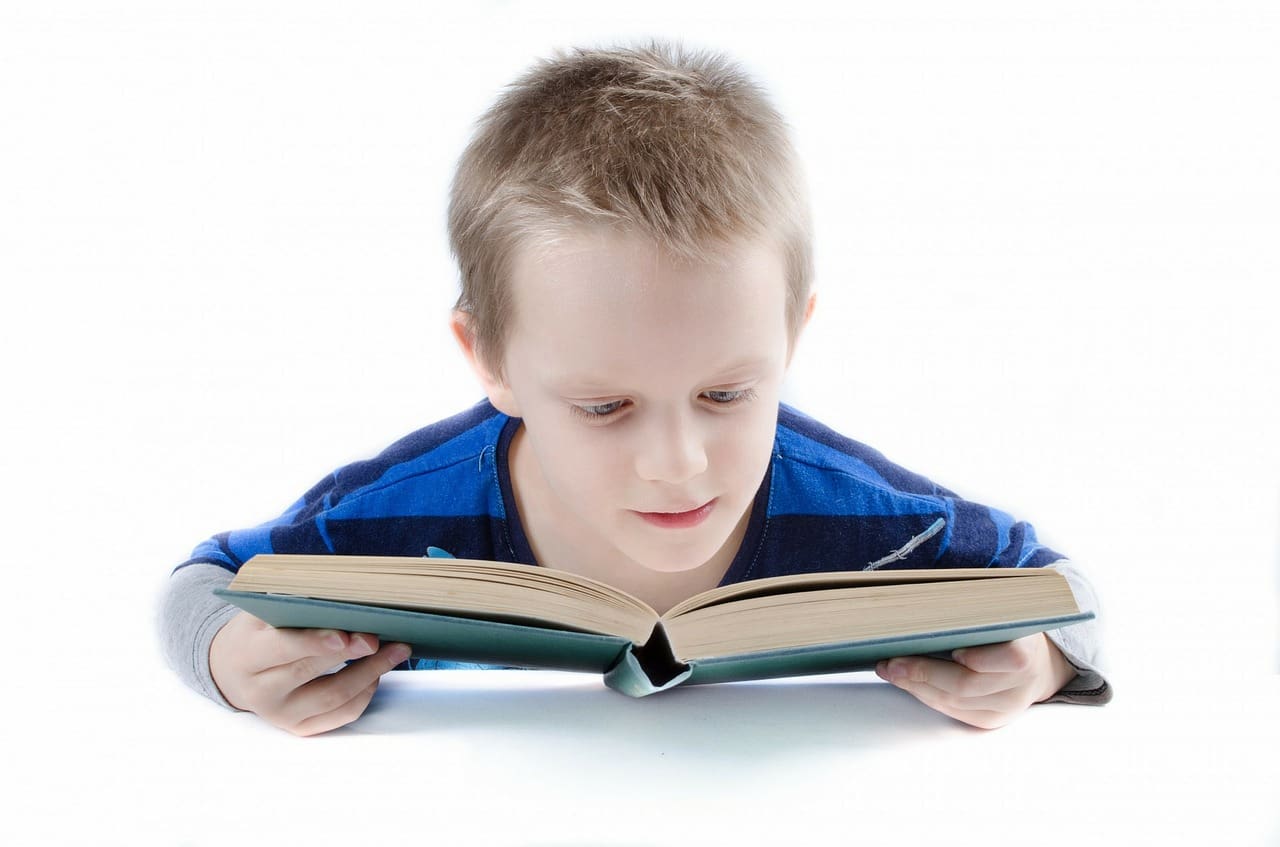
Imagine learning with blurry vision, eye strain, or even headaches. Your child needs numerous abilities to succeed at school and keep up with their development. A good vision is key to succeeding in the classroom and beyond.
Consider a comprehensive eye exam a back-to-school essential. Your child’s vision can frequently change, so an exam can identify any visual changes. Schedule an Eye Exam here
Undiagnosed vision problems can impede a child’s ability to learn, which is why eye doctors highly recommend that children have a comprehensive eye exam before the start of the new school year.
While relying on school-provided vision screenings may be tempting, these simple visual acuity tests can detect only a few vision problems, such as nearsightedness (myopia). They offer no reassurance that your child’s eyes are ready to handle the challenges of school and homework.
During a full comprehensive eye exam, an eye doctor can assess a child’s vision and eye health, as well as visual skills like depth perception and eye tracking, and will tell you whether your child’s eyes are “school-ready.”
Eye exams are something that should be an important part of a child’s wellness program. Once kids start school, getting a back-to-school eye exam will help ensure that your children see as clearly as they should and that their eyes are working together. An optometrist will know what to watch out for after consulting your family history of eye health issues.
In the end, your child’s eye health isn’t only crucial for their eyes, but it can also significantly impact their overall well-being. The only way to ensure their eyes function well is to Schedule a Yearly Comprehensive Eye Exam.
If you or the child’s caregiver notices something unusual with your child’s eyes before age 4 or 5, when they would normally have their first comprehensive eye exam, be sure to schedule a visit with a pediatric optometrist who specializes in eyecare for very young patients.