
What is Amblyopia (Lazy Eye)?
Amblyopia, or lazy eye, is a common vision development disorder affecting millions worldwide. Unlike other eye conditions, it isn’t just about blurry vision. Amblyopia can be a subtle struggle that could go unnoticed for years. Here’s more information about this condition so you can catch it early on and seek timely treatment.
What is a Lazy Eye or Amblyopia?
Amblyopia is when one eye doesn’t see as clearly as the other one. It begins after birth or in early childhood. As the condition progresses, the brain starts depending on the stronger eye, deteriorating the vision in the weaker eye.
Since the brain stops processing signals from one eye, it causes difficulties with depth perception and poor binocular vision. This type of vision loss affects the brain’s visual center; thus, it develops within the first 5 or 6 years of life. Any untreated visual imbalance can result in lifelong complications in one or both eyes.
Fortunately, the condition is correctable if caught early on. At a later stage, the treatment can be complex due to abnormal visual development in childhood, but it’s possible. Studies suggest that it’s possible to help people 17 years or older improve their eyesight.
Lazy Eye vs. Crossed Eyes
Often, the terms lazy eye (amblyopia) and crossed eye (strabismus) may be used interchangeably, but they’re different. Where lazy eye affects your visual clarity, crossed eye encounters alignment issues. A lazy eye leads to unequal visual input during your developmental years and causes poor depth perception but treatments can help improve the vision in the affected eye.
On the other hand, crossed eyes result from neurological issues, problems with the eye muscles, or trauma. It causes the eyeballs to go up, down, outwards, or inwards, and the treatment aims to realign this imbalance. Both issues are common with kids and they can greatly benefit from vision therapies.
Common Causes of Lazy Eye
What is amblyopia (lazy eye) caused by? The suppression of images in the brain from the affected eye can result from various disorders and deficiencies. Misalignment (strabismic amblyopia), refractive errors (like nearsightedness, farsightedness, and astigmatism), and prolonged obstruction of the line of sight (deprivation amblyopia) are some common causes. Eye injury, cataracts, family history of amblyopia, corneal scarring, vitamin B deficiencies, etc., can also lead to lazy eyes.
Symptoms of Lazy Eye in Children
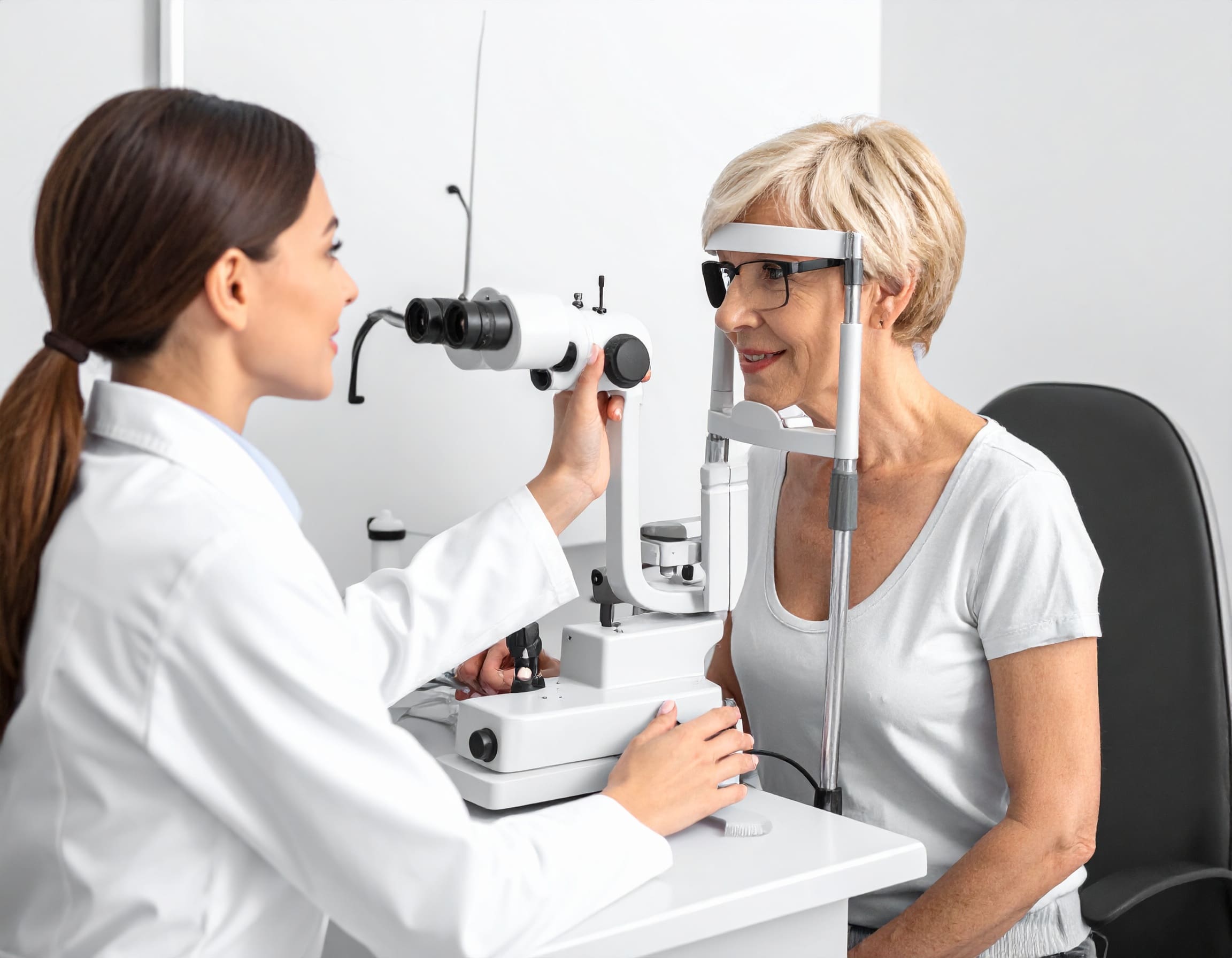
Unfortunately, there’s no apparent symptom of lazy eye in kids. A regular pediatric eye exam or the 20/20 chart screening cannot suggest if they have lazy eyes. Special and comprehensive visual acuity tests are necessary to detect the condition. If they squint their eyes too often, have poor eye-hand coordination, or rub their eyes too much, they might be relying on just their good eye and would need to be evaluated. Schedule an eye exam now.
How to Correct a Lazy Eye
A lazy eye doesn’t go away on its own. It starts affecting your ability to see things in three-dimension. You’re more prone to accidents and cannot function well in situations that require quick vision adjustments. Since it affects fine-eye movement control, it can slow down various aspects of your life. A comprehensive eye exam and treatment plan can help overcome all the visual dysfunctions associated with amblyopia.
Talk to your optometrist to find the best option for your needs. An optometrist is like a personal trainer but for the eyes. They can recommend medications, eye drops, eye patches, corrective lenses, prisms, or occluders to ensure you have perfect vision.
They can also suggest vision therapy, a rehabilitative program for neurological or developmental dysfunctions, to help correct amblyopia. It helps retrain the brain and enhances the coordination between both eyes. The program improves visual acuity, binocular vision, 3D vision, eye-hand movements, reading fluency, and more.
People traditionally regarded as too old for lazy eye treatment can also benefit from vision therapy. Seek a second opinion from an eye doctor specializing in treating lazy eyes in people of all ages and with varying visual skills.
Get Started At Maple Grove Today
Is lazy eye permanent? It isn’t if diagnosed and treated on time. Is it dangerous? It’s not, but it reduces your quality of life. Is lazy eye a disability? It can be if the impaired vision affects your routine, work, and relationships, leading to long-term complications like blindness.
If you or a loved one seems to have a lazy eye condition, don’t delay; get help immediately. Schedule a consultation with the Maple Grove Eye Doctors team and discover how we can transform your vision needs. We want our patients to see the world with utmost comfort and clarity. Call (763) 416-0622 or click here to book your appointment.