Your child’s first eye exam can feel like a big milestone. It is a critical developmental step that ensures your child’s eyes and brain are communicating properly. Since 80% of their learning is visual, an eye exam or vision test with an optometrist should be your priority. Here are more details on why a complete eye exam is far more important than a basic screening and what happens during the appointment to help you feel more prepared and confident for the visit.
Why Early Eye Exams Are Important
Vision problems in children are far more common than you may realize. According to the American Optometric Association (AOA), 1 in 4 school-aged children has a vision issue that affects learning. Early eye exams can help detect the following problems before they worsen:
- Blocked tear ducts
- Light sensitivity
- Conjunctivitis (pink eye)
- Amblyopia (lazy eye)
- Strabismus (crossed eyes)
- Convergence insufficiency
- Early signs of myopia (nearsightedness)
These conditions respond better to medical intervention when they are identified early. Waiting for your child to complain about their vision or relying on school screenings vs. eye exams can mean missing a critical window for highly effective care.
When Should You Schedule Your Child’s First Eye Exam?
You may often wonder, “When should my child have an eye exam?” Our Optometric Team at Maple Grove Eye Doctors recommends a child’s first eye exam with one of our doctors should be just before a child enters kindergarten. The ‘well child’ visit at the Pediatrician’s office does NOT replace a comprehensive eye exam with an Optometrist.
If there is concern from the parents that there may be a vision problem before that age, then an eye exam with a pediatric optometrist specialist should be scheduled.
School-Aged Children (Before Kindergarten) is when an eye exam, typically around age 5, supports learning readiness. This is when problems that may interfere with your child’s reading, writing, and classroom focus can be identified.
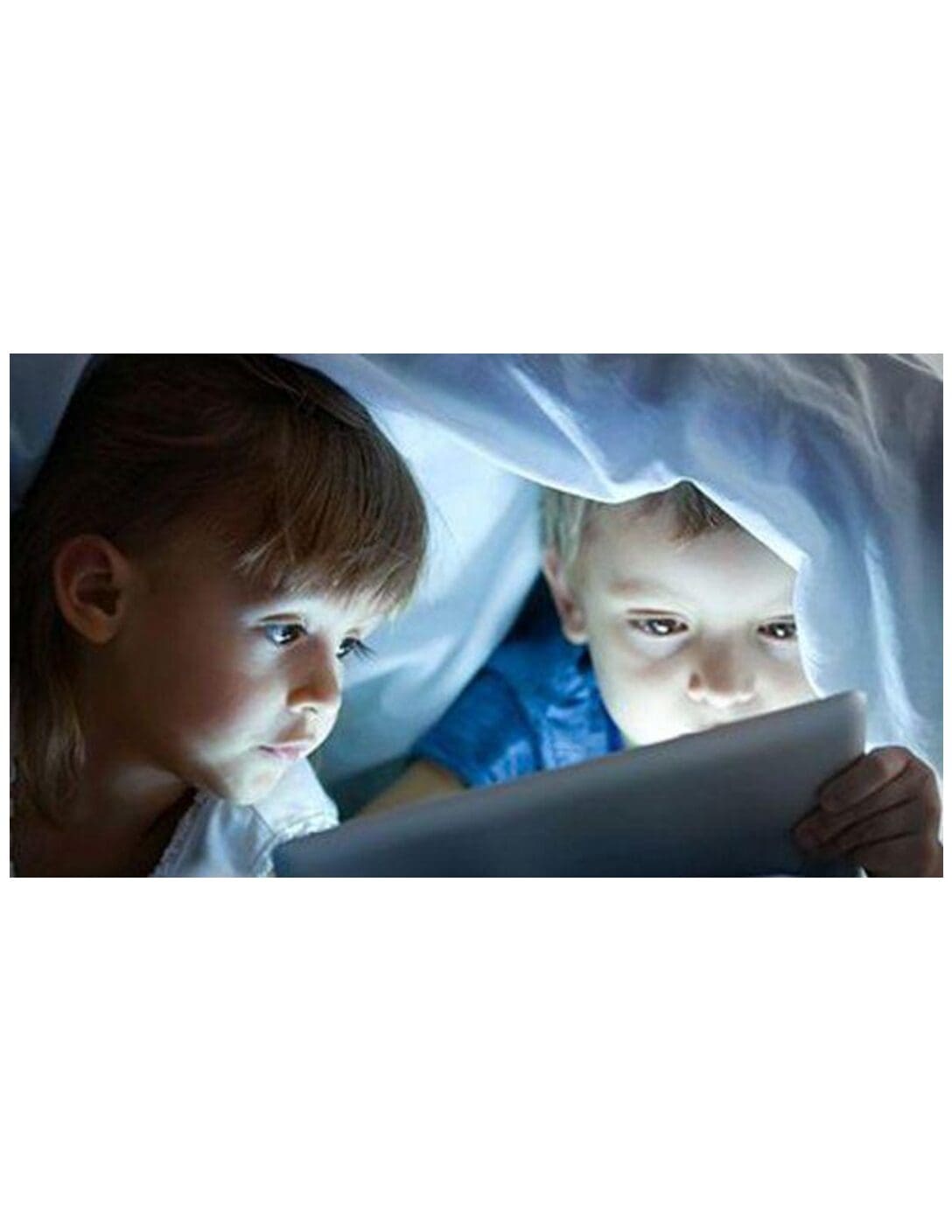
Routine child eye exams to test vision acuity and the health of the eye, help to establish a baseline, making changes easier to track over time. This proactive care offers peace of mind and helps address visual concerns before they become more challenging to manage. After first grade, eye doctors recommend an annual eye exam to monitor your child’s eye health during important growth stages and increased screen time, that can cause nearsightedness or myopia.
What Happens During the Eye Exam

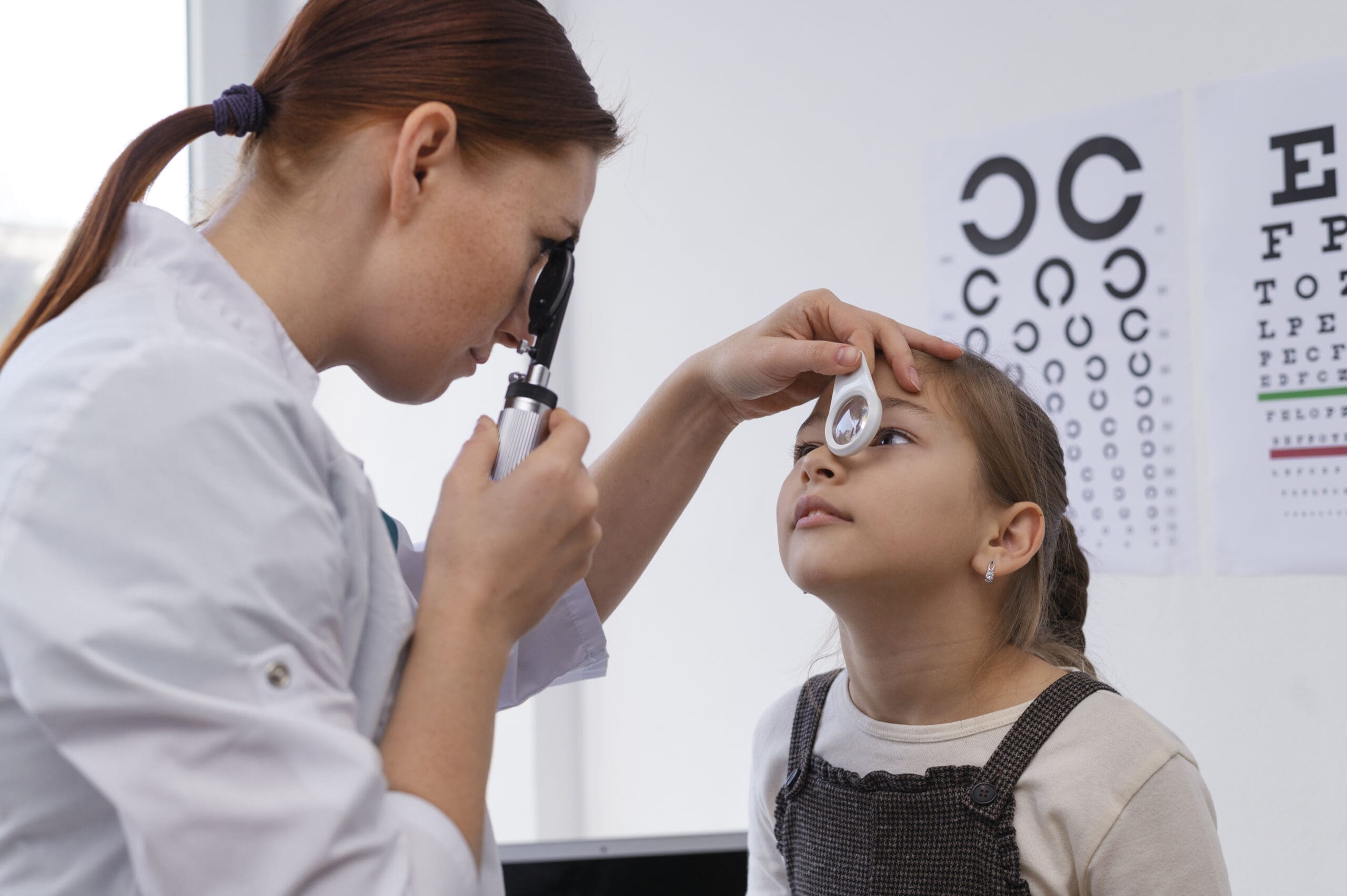
A child’s first eye exam at Maple Grove Eye Doctors is designed to be age-appropriate, comfortable, and thorough. Here’s what you can expect at each stage of the appointment:
Vision Assessment
Our optometrist tests how well your child’s eyes can see independently. For younger children, we use age-appropriate tools; picture or letter charts may be used, depending on their developmental stage.
Eye Health Evaluation
Our doctors examine the internal structures of each eye, including the retina, optic nerve, and lens. They look for signs of diseases, abnormalities, or developing conditions. Some issues can be present without obvious symptoms, even if your child appears to see perfectly well.
Eye Alignment and Tracking Tests
These checks help determine whether your child’s eyes are aligned properly and can fixate on and follow objects. Issues with alignment or tracking can affect reading fluency and classroom concentration. For example, strabismus is a common eye alignment problem in children. It’s often easy to miss at home, but straightforward to identify during a clinical eye exam.
Discussion of Developmental Milestones
Our optometrist may ask you about your child’s developmental history and any concerning behaviors you may have noticed at home or school. While some parents may come in with their child for a specific concern, others may simply be due for a routine checkup. Either way, this conversation provides important context for the eye exam and ensures the evaluation is complete.
Although the first medical professional to examine your child’s eyes may be a pediatrician, they will refer you to an eye care specialist if they suspect an underlying issue. The optometrist will review your child’s birth, medical, and family history to recommend the right path forward. It also helps you set realistic expectations for your child’s visual development.
Why A Pediatric Screening Isn’t a Substitute for A Full Eye Checkup

Eye tests at your pediatrician’s office or school screenings are helpful, but they are often limited in scope. A school nurse or pediatrician uses a basic chart to assess a child’s vision. These quick checks primarily focus on distance vision. They usually do not test close-up focus, depth perception, or eye alignment, emphasizing the importance of a full checkup.
If you are wondering, “When should my child have an eye exam if they have only ever had screenings?” the answer is as soon as possible. Screenings can raise flags, but they cannot provide a complete picture of your child’s ocular health. Your child’s first eye exam with an optometrist goes much deeper to assess visual health and/or serious problems. Optometrists use advanced clinical tools, diagnostic technology, and specialized training to provide a thorough checkup.
While an ‘eye test’ with he child’s pediatrician, may be a necessary first step, these visits are not a substitute for a full eye exam by an optometrist. A complete eye checkup is the only way to evaluate the full health of the eye, both internally and externally. Some children who pass school screenings may still harbor underlying vision problems that only become apparent during a more thorough clinical exam.
Preparing Your Child for An Eye Exam
If your child is old enough to understand simple conversational language, help them feel at ease and not fear the visit. Explain what they can expect during their visit to the optometrist. Reassure them that the tests are easy and painless. You can also bring along their favorite snack, toys, or books for comfort.
If your child already wears glasses, bring the glasses to the appointment. If you have been noticing any symptoms, regardless of how small or big they may seem, write them down. Share your family eye health history, if known, with the doctor. Finally, schedule the appointment for a time when your child is most likely to be alert and cooperative. Lower the pressure on your child so the exam goes smoothly!
Choose Maple Grove Eye Doctors for Your Child’s Eye Care Needs
Your child’s vision keeps changing as they grow, so their first eye exam is an important baseline step in protecting their vision. It helps set your child up for success in daily life, at school, and in other activities. At Maple Grove Eye Doctors, we are dedicated to ensuring your child’s vision stays optimal! Call (763) 416-0622 or click here to book your child’s eye exam with us today.